
Why I Will No Longer Recommend Thorne Supplements
For many years, Thorne has been one of the supplement companies I felt comfortable recommending. Its practitioner-oriented product line, useful formulations, and attention to nutrient forms made it a valuable resource when a carefully selected human supplement was appropriate for a dog.
That changed on August 4, 2026, when Procter & Gamble announced an agreement to acquire Thorne for $3.8 billion.
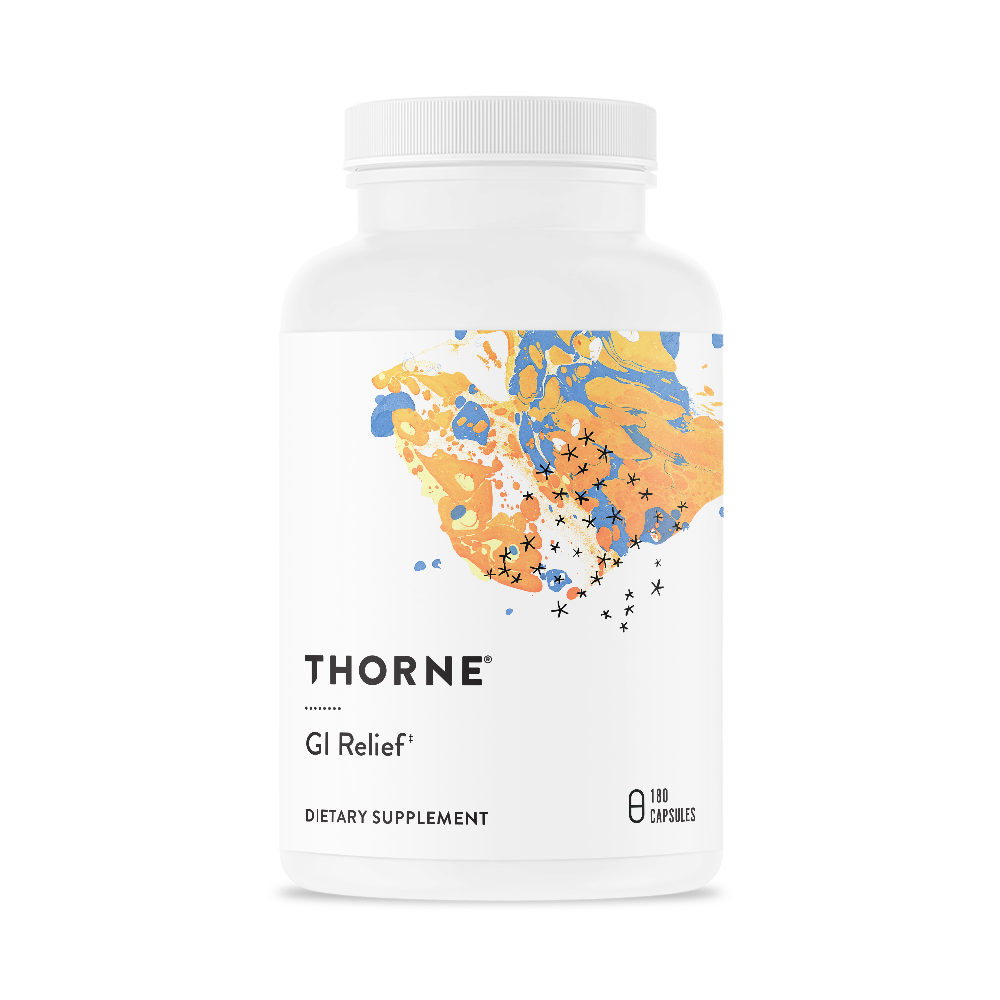
As a longstanding ethical decision I have boycotted P&G for more than 20 years. I am not going to use my professional recommendations to direct client purchases toward a company I have deliberately chosen not to support.
My concern also goes beyond the boycott. I have worked in pet nutrition long enough to watch respected brands deteriorate after they were acquired. In more than 25 years of researching pet food and more than 20 years of formulating diets, I have seen the pattern repeat itself.
A smaller company earns trust by doing something genuinely well. It develops useful products, answers technical questions, and gives professionals enough information to evaluate what it’s selling. Then a much larger corporation acquires it.
The name usually stays. The packaging may look much the same. The language about quality, science, and commitment remains reassuring.
But in my experience the first thing to disappear is often transparency.
Questions that used to receive detailed responses from knowledgeable people are answered with vague statements, marketing language, or no useful answer at all. Information about sourcing, formulation decisions, nutrient data, manufacturing, or the reasons behind a product change becomes harder to obtain.
That’s not a minor customer-service issue. If a company is unwilling to answer reasonable questions about its products, those products become more difficult to evaluate and recommend responsibly.
Natura Pet Products is one of the clearest examples, and it is especially relevant because P&G was the company that acquired it.
Natura produced Innova, EVO, California Natural, and several other well-regarded specialty pet food lines. Before the acquisition, useful information was freely available from the company, much of it posted on their website. One of the first changes I noticed afterward was that such material disappeared and direct, specific answers became much harder to obtain.
The company name was still familiar, but the relationship had changed.
P&G purchased Natura in 2010, then sold it to Mars four years later along with Iams and Eukanuba. The product range was gradually reduced and formulas disappeared. A company that had once been innovative and important in the specialty pet food market effectively vanished.
Champion Petfoods followed a somewhat different path, but the warning signs were familiar. Champion built ACANA and ORIJEN around a very specific ingredient philosophy and market identity. For years, access to detailed product information was part of what made those foods possible to evaluate.
Over time, the company became less forthcoming. Questions were harder to get answered, technical information became less accessible, and responses grew more guarded. This began before Mars completed its acquisition of Champion in 2023, but it was part of the same broader shift. The company that had built its reputation on being different became less willing to explain exactly what it was doing.
Product changes followed. Formulas, ingredients, and positioning moved away from some of what had originally made the brands distinctive.
This is why I don’t consider corporate ownership irrelevant. A brand may still carry the reputation it earned years earlier, even after the people, priorities, and decision-making behind it have changed.
None of this means that every Thorne product became inferior the moment the acquisition was announced. Clients do not need to throw away products they already own or abruptly stop using something that is serving an important purpose.
It does mean that I will no longer use Thorne products for future Better Dog Care recommendations.
For dogs already using one, I will look at alternatives individually. Supplements that appear similar on the label may differ in nutrient form, concentration, inactive ingredients, capsule size, and practical dosing. Replacements need to be chosen carefully.
This will be inconvenient. Thorne makes several useful products, and I have recommended some of them with confidence. Finding suitable alternatives will require additional work.
But I cannot maintain a personal boycott of P&G while professionally helping generate sales for one of its newly acquired brands. I also cannot ignore what I have seen happen to other companies after ownership changed.
The first warning sign is not always a visibly worse product. Sometimes it is simply that the company no longer wants to answer questions.
Under P&G ownership, Thorne will no longer meet all of my standards for professional recommendation.