
AI Can Write a Dog Food Recipe – But Can It Formulate One?
A study published online July 7, 2026 in Veterinary and Animal Science looked at exactly this issue. Researchers asked four AI systems to formulate complete beef- and chicken-based diets for an 8-kg adult dog. Eleven formulations were then evaluated against FEDIAF nutrient recommendations using USDA-based nutrient data.
The result was pretty bad.
61.3% of the nutrient values they assessed were below recommended minimums.
This was an in-silico study, not a feeding trial, so it does not prove that dogs eating these recipes would actually develop deficiencies.
What it does show is much simpler: a recipe can look knowledgeable and still fail basic nutrient analysis.
Before I ever heard of this study, I have experimented with AI models on my own. I fed data into an app and asked it to do the same work. Not even once did it come close to a properly balanced diet, and I read “you are right, I messed this up” with every new version when I pointed out obvious flaws that I didn’t even have to think about. As an experienced formulator, they jumped out at me instantly.
Not once was AI able to correct these shortcomings on its own – I actually had to provide the solution. And then I pointed out the next error, and the whole thing repeated. Again and again.
A recipe and a formulation are not the same thing
This distinction gets lost all the time. Anyone can put together a list of ingredients that sound appropriate for a dog: meat, liver, vegetables, fish oil, calcium, maybe a few supplements. AI is especially good at making that sort of recipe sound convincing.
But the question is not whether the ingredients sound healthy, but what the finished diet actually provides.
How much calcium is in it? What is the calcium-to-phosphorus ratio? Does it take into consideration when the nutrient database entry is incomplete – say, vitamin D is not tracked, but it’s definitely present and we don’t know how much per serving? What happens to the nutrient profile if the dog needs considerably more or fewer calories than average?
Those are the things I am looking at when I formulate a diet. If the ingredient data is wrong or too vague, the resulting numbers are wrong too. That remains true whether the recipe came from AI, a website, a book, or somebody on Facebook.
Twenty years of doing this matters
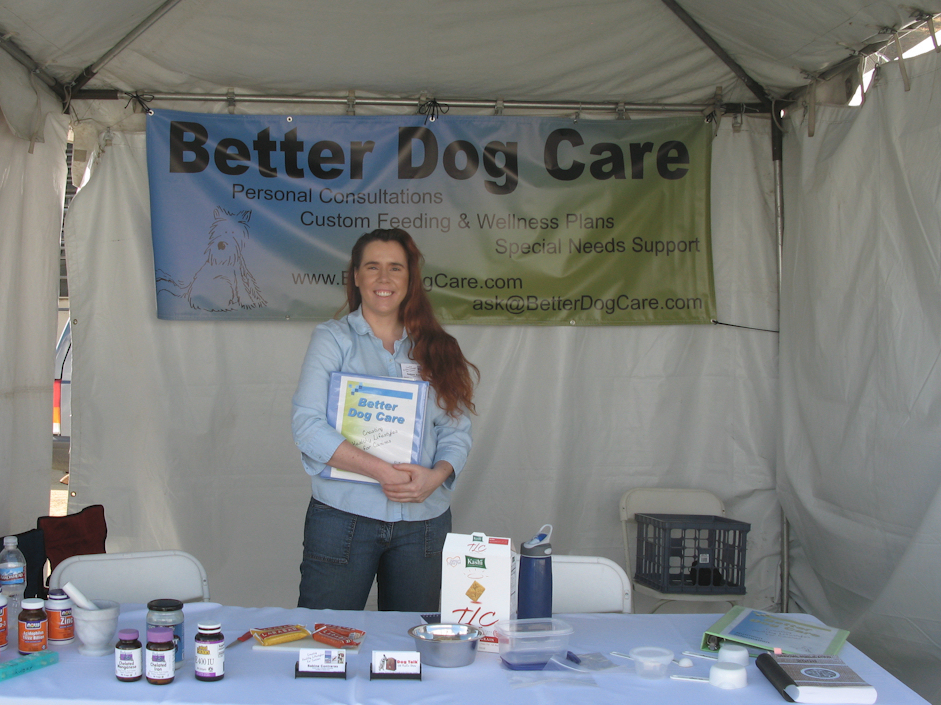
I have been formulating homemade diets for dogs for more than 20 years. That means I have not just looked at nutrient numbers, but I also have had thousands of dogs over the years giving me feedback on what works and what doesn’t. Dogs aren’t spreadsheets and they don’t read nutrition books.
One dog handles a particular fat source beautifully and another does not. One does well with a certain amount of fiber and another develops diarrhea or vomits. Some dogs have very low calorie requirements, which makes nutrient density much more difficult. Others have medical conditions that change what I am trying to accomplish with the diet and where nutrient amounts will lie outside of the recommendations for normally healthy dogs. Then there is the very real issue that a perfectly balanced diet is useless if the dog will not eat it. I run into that a lot with clients who have tried formulating with BalanceIT or received a recipe from a veterinary nutritionist who doesn’t have enough “on the ground” background experience and typically doesn’t follow up with clients long-term.
This is where experience matters. Nutrient analysis is essential, but it does not tell you everything.
How I actually formulate diets
I want to be especially clear about this because AI has become so commonplace that people sometimes assume it is being used everywhere.
I do not use AI to formulate diets.
My formulations are based on my experience with my own and client dogs and solid nutrient data, such as the USDA database and NRC’s nutrient recommendations. I choose the ingredients and amounts, analyze the finished diet, make changes where needed, and continue working on it until the nutrient profile and the practical feeding plan make sense for that dog.
And then there is the individual dog
I am not formulating diets for an imaginary average dog. I am looking at the actual dog: age, weight, body condition, calorie needs, activity, health history, laboratory findings when relevant, medications, supplements, food tolerance and what the owner can realistically prepare and feed.
Then we see how the dog does. Weight, stool quality, appetite, tolerance, the body’s response based on follow-up blood work, and other factors matter. Follow-up matters.
Will the odor or flavor of “that” supplement cause a dog to refuse his meals if it’s added directly to the food?
Over the years, that ongoing feedback has been at least as valuable as any textbook.
The problem with AI recipes is that they look finished
That is probably what makes this issue so deceptive. AI can produce a recipe that looks detailed, confident and professionally written. It may include exact amounts, supplements and an explanation of why everything is there. Presentation can make people assume the nutritional work has already been done. This study is a useful reminder that it may not have been.
For more than 20 years, my approach at Better Dog Care has been to formulate from the numbers up: determine what the dog needs, analyze what the ingredients provide, fix what is missing, and make sure the finished diet is practical for the individual dog.
Source: Veterinary and Animal Science, published online July 7, 2026. Researchers evaluated 11 AI-generated homemade canine diets against FEDIAF nutrient recommendations.
https://www.sciencedirect.com/science/article/pii/S2451943X26001912